September 4, 2026 -
A simcha is a celebration or joyous event made all the more special when we celebrate as a community. In addition to lifecycle events, such as a baby naming, bar or bat Mitzvah or wedding, we celebrate many milestones and happy occasions throughout the year. On any given Shabbat, our congregants may be commemorating birthdays, anniversaries, graduations, professional and personal achievements, or the safe return from a journey by giving thanks and sharing the occasion with the congregation. Then, there is singing, sometimes a bit of dancing on the bimah, throwing of candy and, always, a delicious kiddush afterwards.
Tzedakah, the Hebrew word for “righteousness,” is most often associated in English with “charity.” One of the basic tenets of Judaism is the act of giving tzedekah on a regular basis and in commemoration of lifecycle events and special occasions. tzedekah is a meaningful way to mark an occasion of joy or to pay tribute to the memory of a departed loved one.
Brith Sholom offers many opportunities for giving tzedakah through a contribution to one of our many regular or special synagogue funds. If you make a donation honoring or commemorating someone, the synagogue sends a card acknowledging the donation to the person being honored, or to the family of a person being memorialized. Each donation will also be acknowledged in the monthly bulletin.
Ongoing synagogue funds include the Rabbi’s Discretionary Fund and the Haftarah Scroll Fund, which offers the opportunity to dedicate one or more haftarot for special occasions.
Some people donate directly to The Endowment Fund, which acts as a traditional endowment, providing financial resources for the future. Here you may donate to the endowment itself or to one of a variety of dedication opportunities, such as the Kiddush Fund, Adult Education, Programming, Cemetery, Restoration Fund, and programs that benefit our teens and college students. All levels of tzedakah are gratefully received (and are tax-deductible).
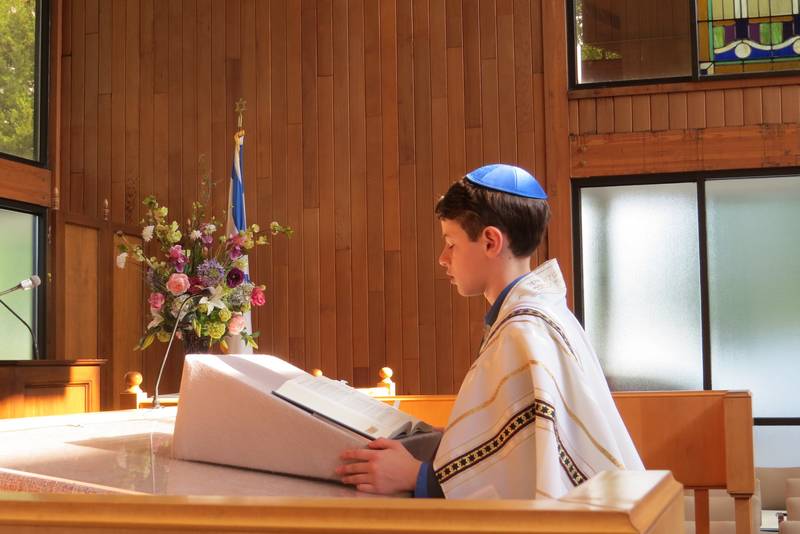
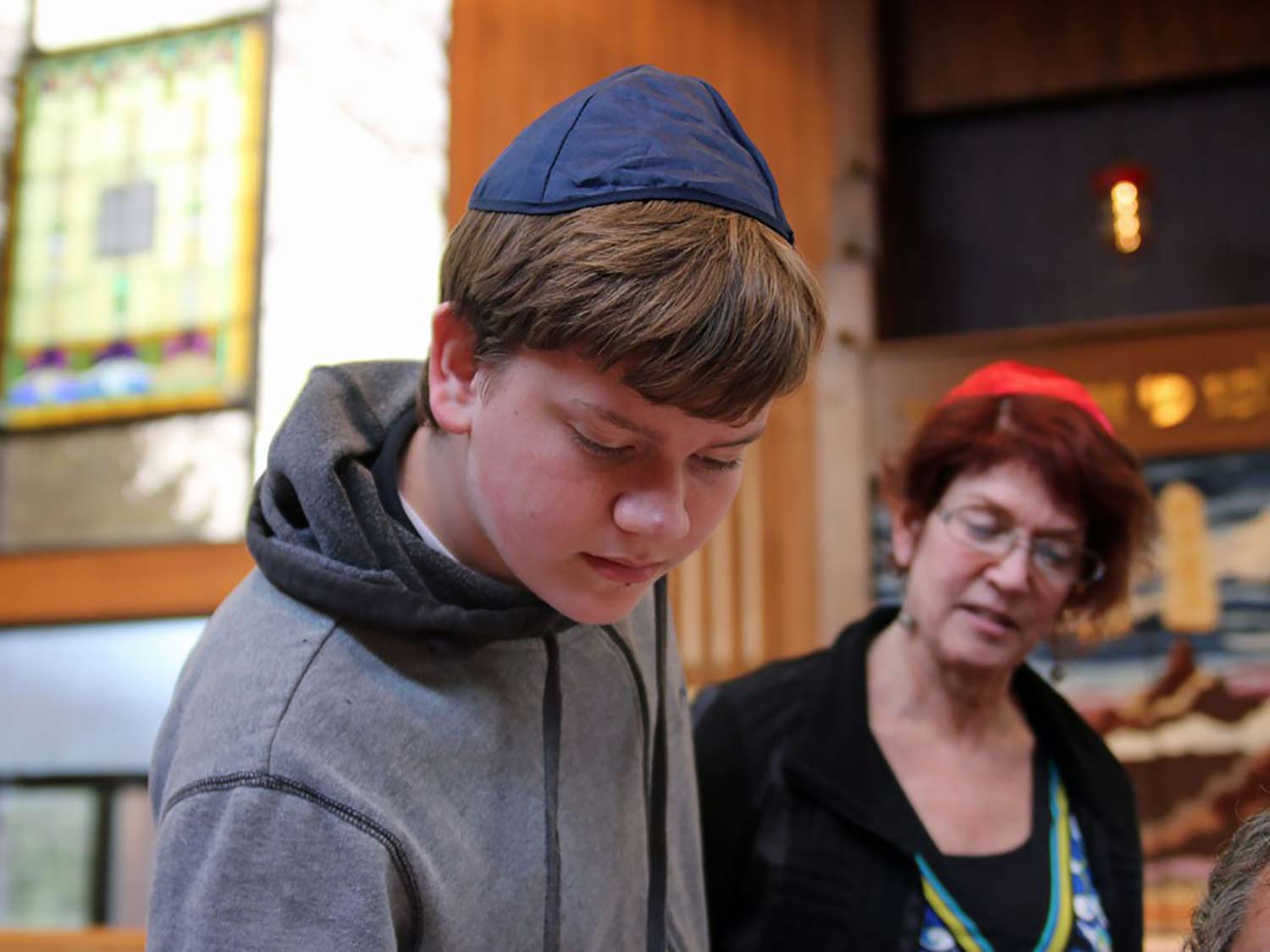
The kippah, also known as a yarmulke or skullcap, is the traditional head covering worn by Jewish men and boys. We request that every male, whether Jew or non-Jew, wear a head covering as a sign of reverence and respect in the Sanctuary and while studying. We encourage all women to do the same, although it is not traditionally required. Everyone who receives a ritual honor, such as an aliyah or ark opening, must wear a head covering.
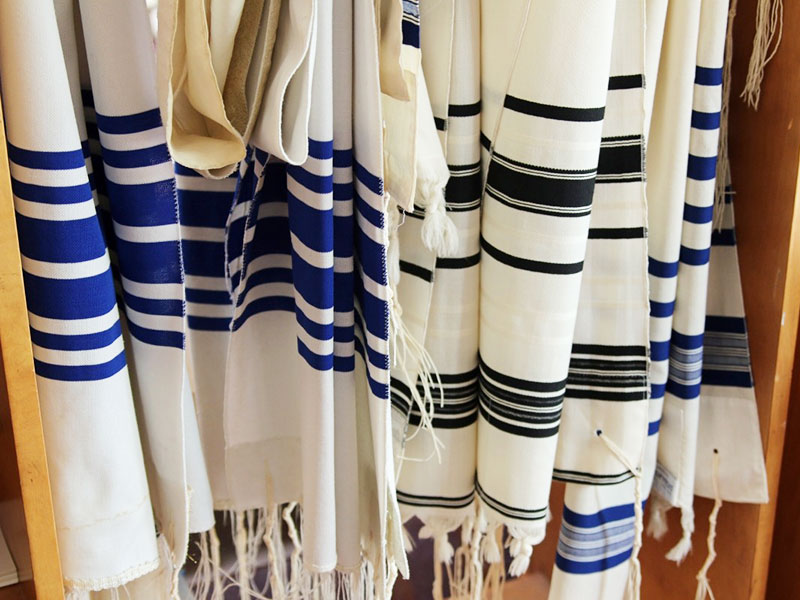
The tallit is a prayer shawl that resembles the style of garment worn in ancient Israel. The religious significance of the tallit lies in the fringes tied at each of its corners. They are intended to remind the wearer of all God’s mitzvot (commandments) and to fulfill them. The strings and knots of each fringe combine to symbolize the 613 commandments in the Torah.
The tallit is worn during the morning service, but not during the afternoon or evening services (except on Yom Kippur and Tisha B’Av). While most men are aware of the tradition of wearing a tallit, it is less familiar to many women. Here at Brith Sholom, where it is an option, you will see some women with and others without a tallit.
Children do not wear a tallit until they become a Bar or Bat Mitzvah.
Kippot, little lace caps, and tallit are available at the entrance to the Sanctuary.
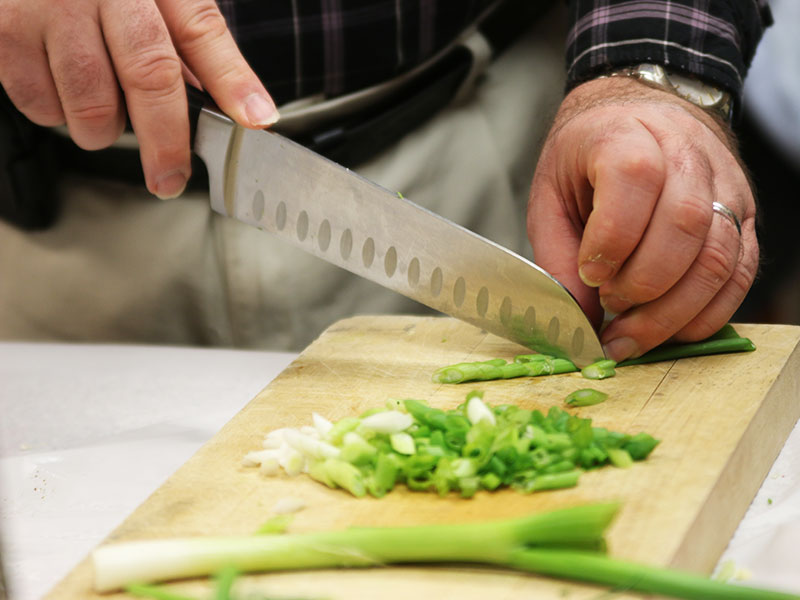
Brith Sholom maintains a kosher kitchen. All foods prepared, served and brought into the synagogue must be kosher. If you have any question about an item, you must check with Rabbi Singer, who has the final word on kashrut (all things kosher).
Kashrut is the body of Jewish law that deals with bringing sanctity to the mundane act of eating. The word “kosher” describes foods that meet these standards. The rules surrounding kashrut detail which foods may and may not be eaten and when. Kosher foods and ingredients may be identified by one of a group of symbols that certify the food as having been prepared according to the laws of kashrut.
Here in the Lehigh Valley, we have our own group, Lehigh Valley Kashrut Commission (LVKC) that provides local supervision.
Muhlenberg College’s dining hall runs a kosher kitchen (with two sections, dairy and fleishig). Several of the supermarkets in Allentown have kosher bakeries. These and a few other places are under LVKC supervision.
There are a number of caterers who are certified to cook or bring food into Brith Sholom:
For information on the Conservative Movement’s new kashrut standard, which includes ethical and social justice considerations, please go to Magen Tzedek or Hazon for sustainable kashrut.
For a list of recommended kashrut symbols, a list of foods that do not require kosher certification, lists of kosher additives, or kosher fish go to Kosher Quest and click on “Kosher Lists.”
If you are interested in which fish are kosher, go to Kashrut.Com and click on fish.